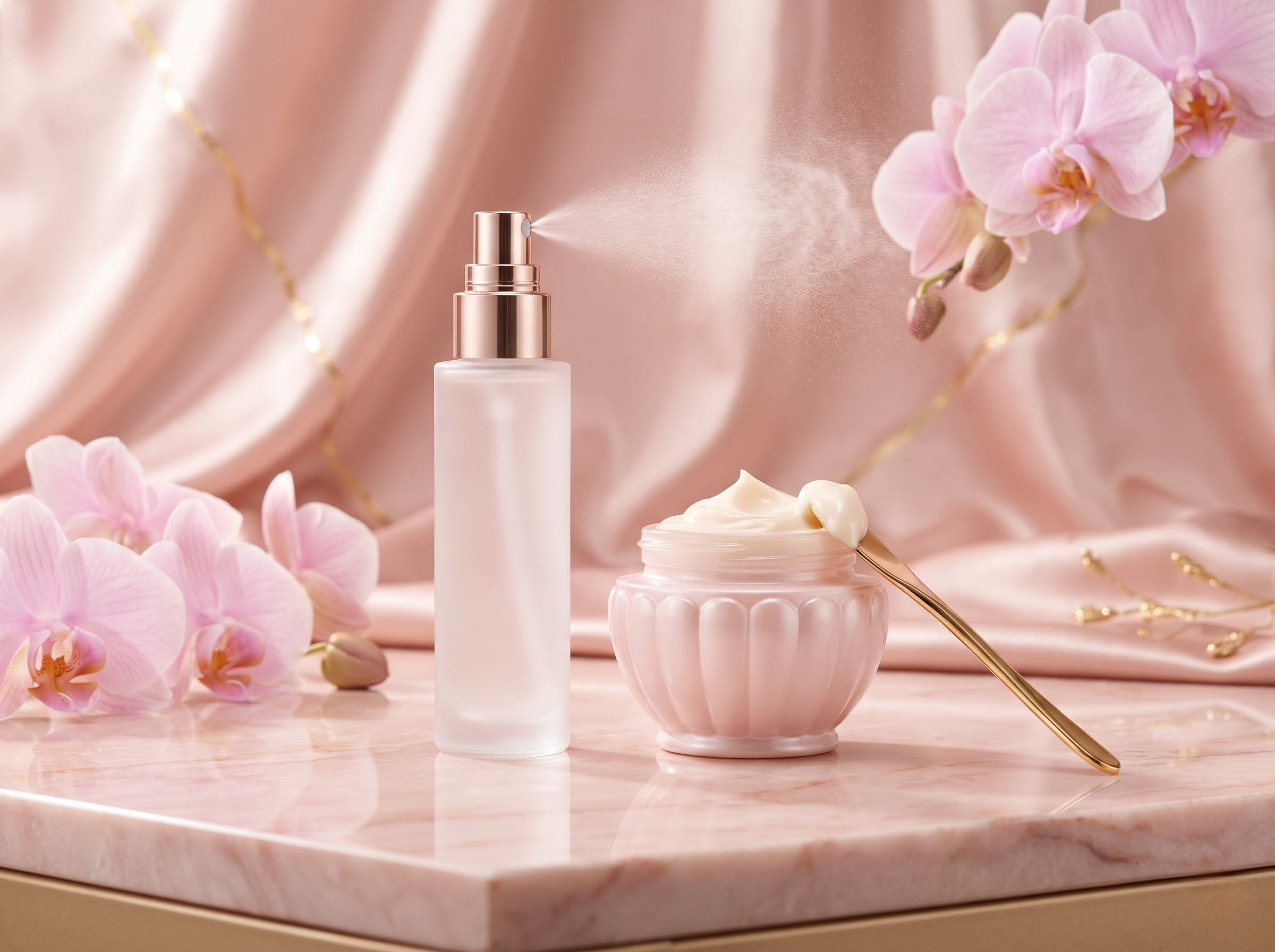
Spray Primer vs. Cream Primer: Which One Does Your Skin Actually Need?
By BU Editorial Team | Product Guide · 31 Aug 2026
Walking down the beauty aisle or browsing online, the primer category can feel overwhelming. You will find dense silicone pastes, hydrating gels, pore-filling balms, and lightweight bi-phase mist sprays.
All of them promise the exact same outcome: smoother skin, poreless texture, and makeup that lasts all day.
Yet, many people find that their primer does the exact opposite. It pills when blended, makes foundation slip around by 2 PM, or feels like a heavy mask suffocating their skin.
The reason is simple: the texture and delivery system of your primer determine how well it works with your skin type and climate.
If you are wondering whether to stick with a traditional cream or gel primer or switch to a modern bi-phase spray, here is the straightforward breakdown to help you decide.
What Is a Traditional Cream or Gel Primer?
Cream and gel primers are usually formulated with high concentrations of dimethicone and heavy silicones. Their main job is mechanical: filling in fine lines and textured pores with a smooth, wax-like layer so liquid makeup glides effortlessly over the surface.
The Pros:
1. Great for filling deep, localized surface texture or pitted acne scars.
2. Creates a matte, velvety initial feel on bare skin.
The Cons:
1. Can form an occlusive barrier that traps oil and sweat beneath the surface.
2. Often clashes with water-based foundations and skincare, causing pilling and separation.
3. Can feel heavy, thick, and suffocating in warm or humid climates.
What Is a Modern Bi-Phase Spray Primer?
A bi-phase spray primer splits its formula into two distinct components: a water-light skincare phase (packed with actives like Niacinamide and Vitamin B5) and a flexible, lightweight grip phase.
When you shake the bottle, the two phases blend into an ultra-fine mist that delivers deep hydration to the skin while leaving behind an adhesive, micro-tacky veil for your base products.
The Pros:
1. Zero Weight: Feels completely breathable and light on the skin—no thick layer sitting over your pores.
2. Skincare-Infused: Actively balances oil and supports the skin barrier rather than just masking texture.
3. Universal Compatibility: Blends seamlessly with liquid, cream, or tint foundations without pilling.
4. Versatile Application: Can be used before makeup as your primary canvas prep and reapplied after foundation/concealer for an extra boost of hold.
The Cons:
1. It is not a heavy pore-filling putty—it gives a natural, smooth, blurred finish rather than a thick spackle effect.
2. Must be shaken before each use to combine the bi-phase formula.
Looking for weightless hold without the heavy cream feel?
Experience the BU Glow Grip Primer—an ultra-fine bi-phase mist powered by Niacinamide and Vitamin B5. It hydrates, smooths, and grips your base for hours without clogging pores.
[Shop Glow Grip Primer]
Side-by-Side: Spray Primer vs. Cream Primer
1. Daily Feel: Cream primers feel thick, silky, and occlusive. Bi-phase spray primers feel like a cool, weightless drink of hydration.
2. Skin Health: Cream formulas rely on cosmetic silicones that can trap sebum. Bi-phase mists deliver barrier-supporting actives that calm redness and balance natural oils.
3. Longevity in Heat: Heavy cream layers are prone to sliding when temperatures rise. A fine spray creates a flexible, breathable grip that resists sweat and humidity.
4. Application Flexibility: Creams must be carefully rubbed into specific zones. A spray mist applies evenly across the face in seconds and can be layered after liquid foundation for extra grip.
Which One Should You Pick?
Choose a Traditional Cream Primer if:
1. You only want to spot-treat very deep, isolated texture or scars on small areas of the face.
2. You prefer a completely flat, ultra-matte silicone finish.
3. You do not mind taking extra time to gently buff and press heavy layers into the skin.
Choose a Bi-Phase Spray Primer if:
1. You want an effortless, everyday routine that takes under 60 seconds.
2. You hate the feeling of heavy makeup sitting on your face.
3. You have normal, dry, oily, or combination skin that needs hydration without greasiness.
4. You want the versatility of pre-makeup prep plus an added hold boost after your liquid base.
How to Apply a Bi-Phase Spray Primer for Maximum Hold
Step 1: Shake Well. Because it is a bi-phase formula, a quick shake combines the skincare and gripping elements evenly.
Step 2: Mist Evenly. Hold the bottle 8–12 inches away from your face and apply a light, even mist across your entire complexion.
Step 3: The 60-Second Pause. Gently tap the formula into your skin with clean fingertips and wait about one minute. This allows the hydration to absorb while the grip layer activates.
Step 4: Apply Complexion Products. Press your foundation, tint, or concealer directly into the tacky base.
Step 5: Optional Extra Hold. For extra grip before powdering, lightly mist your face once more right after blending foundation and concealer, let it dry down, and then finish your look. (Note: Bi-phase primers are designed for base prep and grip—they are not meant as a final setting spray over dry powders or eye makeup).
Upgrade your skin prep to a weightless mist.
Say goodbye to heavy, pore-clogging primers and hello to fresh, lasting radiance.
[Get Your Glow Grip Primer]
Quick Q&A
Can I use both a cream primer and a spray primer together?
You generally do not need both. However, if you have deep pitted scars on a small area (like the bridge of the cheek), you can tap a tiny amount of pore-filling cream there and use your bi-phase mist across the rest of the face for overall hydration, balance, and grip.
Does a spray primer replace my daily moisturizer?
A bi-phase spray delivers lightweight hydration with Niacinamide and Vitamin B5, making it an ideal prep step. If you have very dry skin, apply your standard lightweight moisturizer and sunscreen first, then follow with your spray primer.
JOIN THE BU CIRCLE
Be the first to know about new drops, exclusive launches and everything
BU.